Overview
This case study summarizes my design work on BlueJeans OnVideo, one of the company's most widely used products, with over 114,000 monthly active users and 124 million monthly minutes of usage.
- MY ROLE | Lead Product Designer
- SCOPE | User research, UX strategy, wireframing, prototyping, and visual design
- TEAM | 1.5 designers, 1 PM, 3 front-end engineers, backend team, QA team
- OPERATING MODEL | Agile startup cadence with 1-1.5 month release cycles

User Context: Meet Carrie
A key target user in this work was a careful, task-focused project manager who rarely explores settings and often compares BlueJeans against familiar WebEx behaviors. This lens helped us prioritize clarity, confidence, and low-error interactions.
Design Process
My process was highly iterative and driven by both qualitative and quantitative inputs. I led research operations by combining recurring customer calls, usability testing, product analytics, and cross-functional synthesis workshops.
- Coffee Talk: 30-minute remote customer sessions, 3-6 times per week
- Data-informed design: Mixpanel, Q-score, and customer feedback analysis
- Synthesis: Affinity sessions with cross-functional teams to identify actionable UX priorities
Project 1: Screen Share Redesign
Screen Share was a high-frequency feature and a major pain point. Users reported confusion and too many steps when sharing screens. The redesign simplified mental models between app/screen choices and reduced decision friction in the share flow.
Result: +3.81% completion rate and 27% faster completion.
Project 2: Installation Flow Redesign
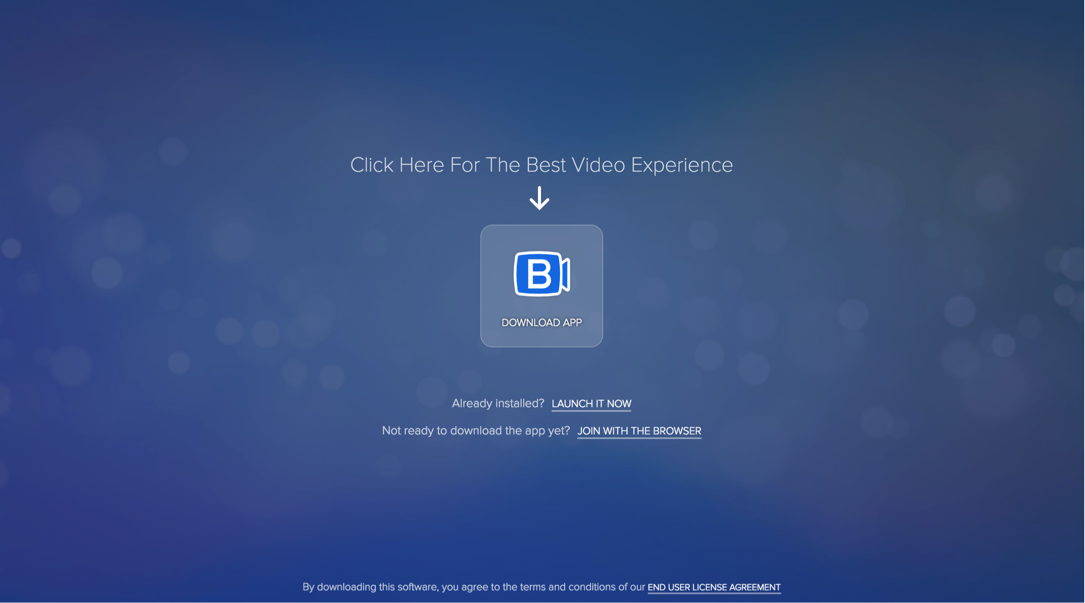
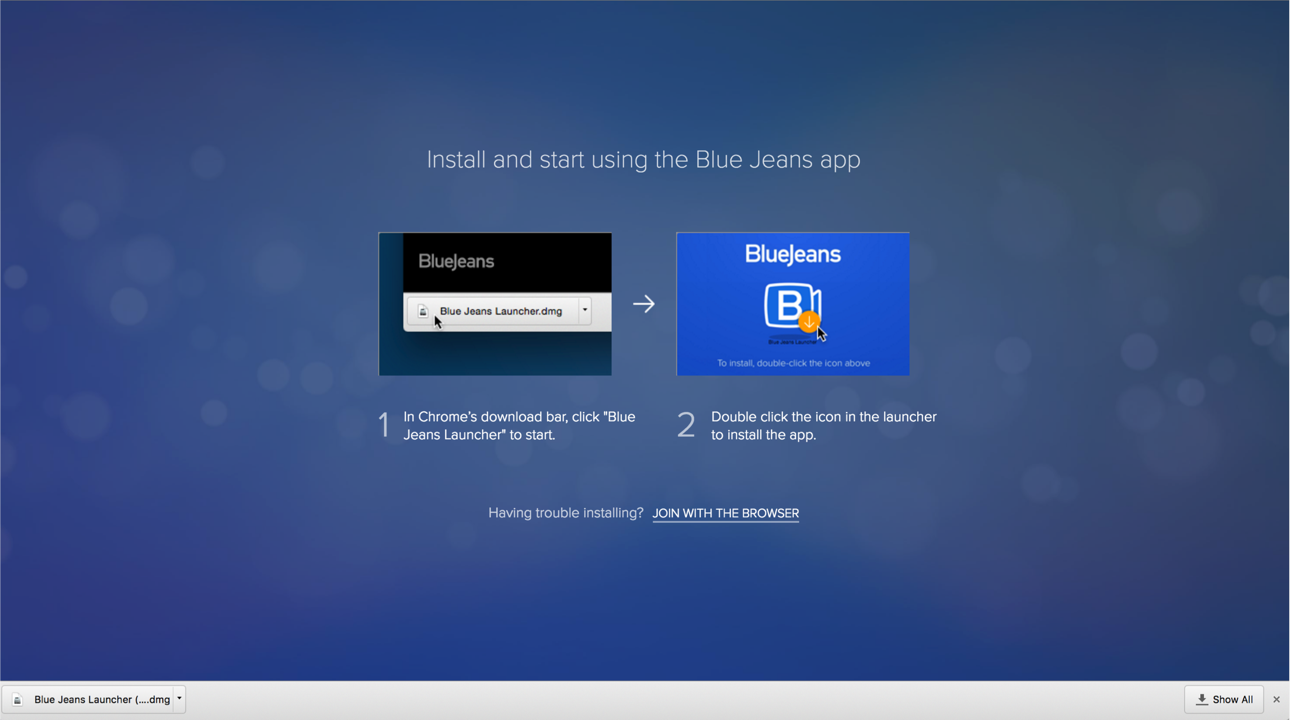
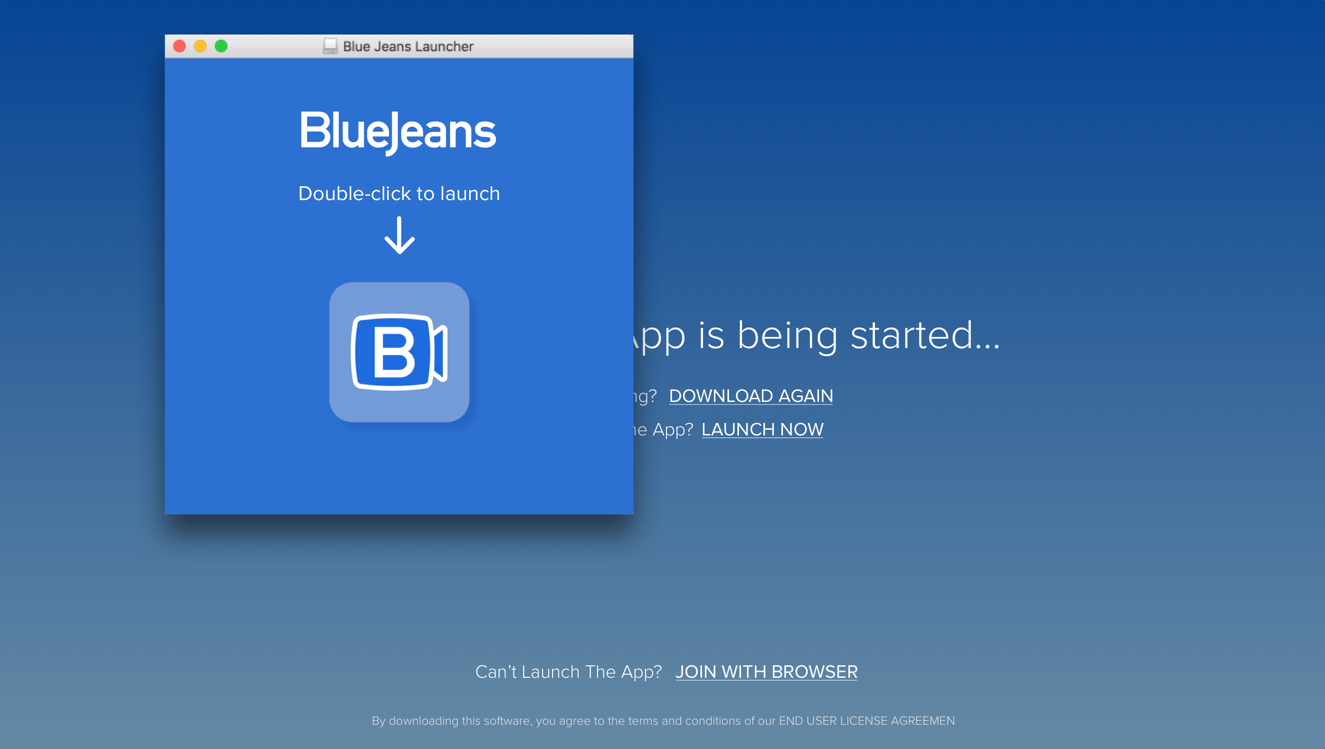
The first-time installation path was significantly slower than alternatives. We redesigned the flow to reduce friction and clarify progress states, helping users reach meetings faster.
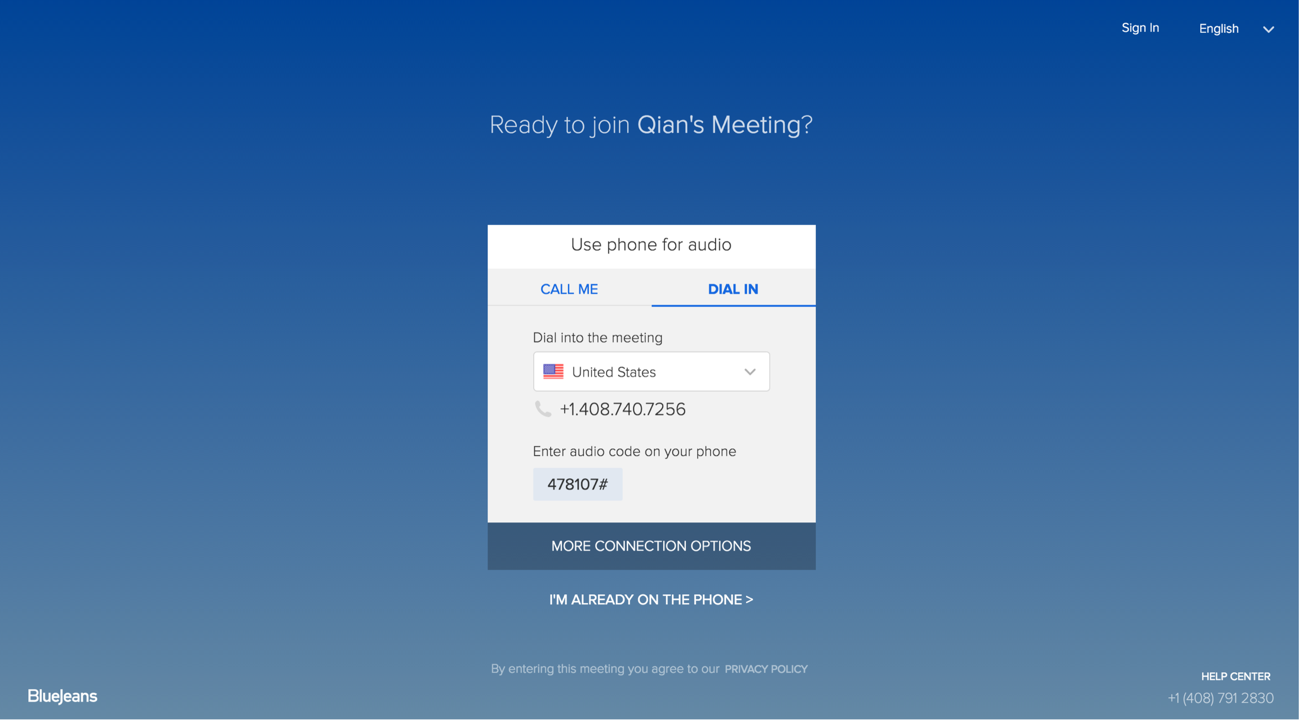
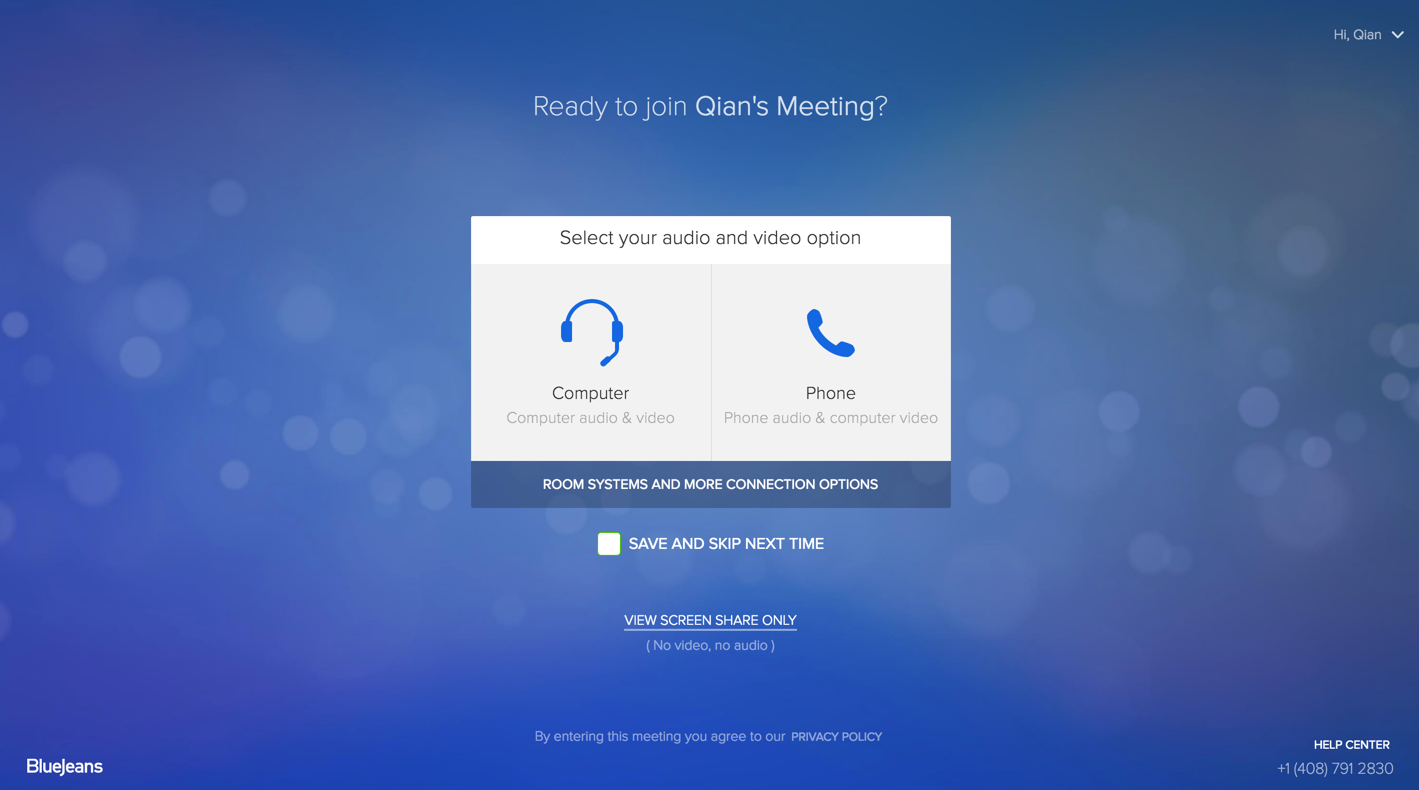
Result: First-time setup became 20 seconds faster.
Project 3: Join Flow Improvements
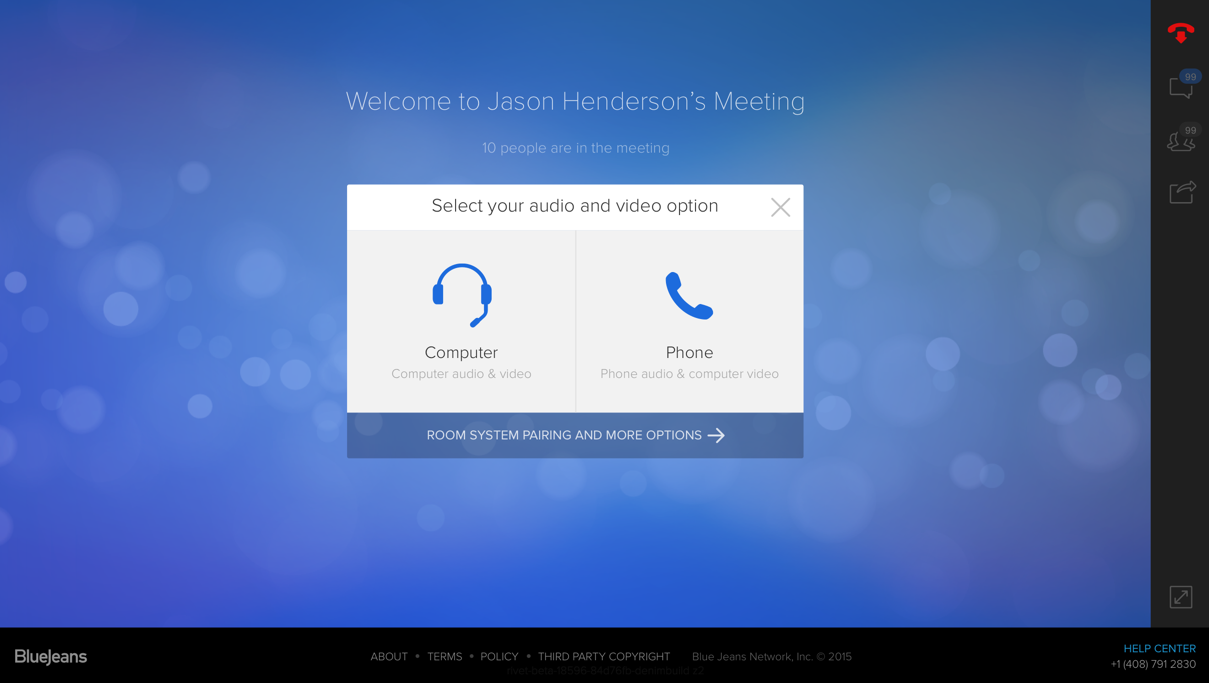
Many users were unsure whether they were fully in a meeting during the hair-check stage. We clarified in-meeting status, reduced WebEx-legacy confusion, and redesigned transitions to improve confidence before and during join.


- Echo reduction: 5.7% to 4%
- PSTN pairing volume: +4701
- PSTN pairing rate: +23.99%
Outcome
Across core meeting journeys, the work improved clarity, reduced cognitive load, and accelerated task completion, while balancing platform constraints and enterprise reliability requirements. Beyond UX metrics, these improvements made high-stakes enterprise meetings feel more predictable and trustworthy for end users.